Women in Science

Women have contributed to science for centuries, often long before they had the same access to universities, recognition or leadership opportunities as their male colleagues. The milestones below trace key moments in this journey, linking early breakthroughs in physics, surface science and thin films to today’s advances in solar energy and real-world applications within PERSEUS.

Today, PERSEUS continues this story through the women contributing across scientific, technical, management and other project roles, providing an example of good practice in both participation and leadership.

Discover Women in Science

Timeline

From Pioneers to PERSEUS

Explore key milestones in women’s contributions to science, from early discoveries to today’s research in PERSEUS.

1678

Elena Lucrezia Cornaro Piscopia

Opening the doors to higher education

Elena Lucrezia Cornaro Piscopia became the first woman in the world known to receive a university degree, graduating in philosophy from the University of Padua in 1678. Her achievement marked an important milestone in women’s formal access to higher education.
1678

1732

Laura Bassi

Taking her place in academic physics

Laura Bassi became the first woman to hold a university professorship. A scholar of natural philosophy and experimental physics, she established an academic career at the University of Bologna at a time when women were still largely excluded from university science.
1732

1891

Agnes Pockels

Laying foundations for surface science

Without access to university education, Agnes Pockels developed her own methods and apparatus for studying surface tension and published her first scientific paper in Nature. Her work helped establish foundations for the emerging field of surface science.
1891

1897

Isabelle Stone

Exploring the electrical properties of thin films

Isabelle Stone earned a PhD in physics at the University of Chicago, where her doctoral work investigated the electrical resistance of thin films. Her research provides a striking historical link to thin-film materials and electrical properties that remain central to technologies such as photovoltaics today.
1897

1903

Marie Curie

Recognition at the highest level

Marie Skłodowska Curie became the first woman to receive a Nobel Prize, sharing the 1903 Nobel Prize in Physics for research on radiation phenomena. She later received the 1911 Nobel Prize in Chemistry, becoming the first person to win Nobel Prizes in two different scientific categories.
1903

1938

Katharine Burr Blodgett

Turning ultra-thin coatings into practical technology

Katharine Burr Blodgett developed a method for building up monomolecular layers on glass, leading to highly transparent, non-reflective coatings known as “invisible glass”. Her pioneering work on ultra-thin films became an important foundation for thin-film and coating technologies, with applications extending to fields including solar energy conversion.
1938

1948

Mária Telkes

Moving solar innovation towards real-world use

Working in solar thermal energy rather than photovoltaics, Mária Telkes helped develop the Dover Sun House, built in 1948 to demonstrate solar home heating. Her work represents a challenge that remains central to solar innovation today: moving promising technologies beyond research and towards practical, real-world applications.
1948

2025

PERSEUS Project

Women contributing to the next generation of solar technology

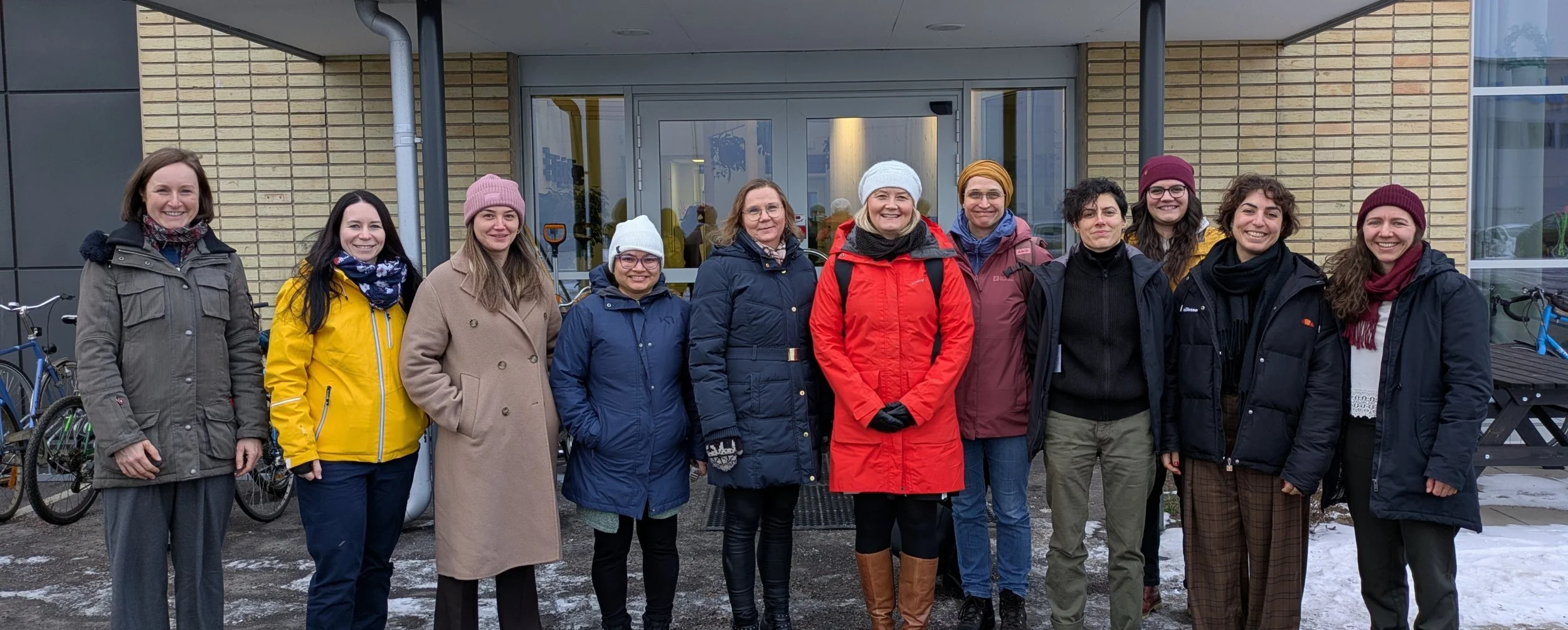
Today, women are an established part of the PERSEUS project, contributing across scientific, technical, management and other project roles. Their presence is particularly strong in project leadership roles, showing how participation can translate into meaningful involvement in the direction and delivery of research and innovation.
2025

Representation

Women in PERSEUS Today

People involved in PERSEUS

≈ 40%

of people involved in PERSEUS are women

40%women

60%men

Women contribute across scientific, technical, management and other roles throughout the PERSEUS project.

All Work Package leadership roles

50%

of all WP leadership roles are held by women

50%women

50%men

This combined measure includes WP Leaders and Deputy WP Leaders across every Work Package.

Leadership

Women Leading PERSEUS

Meet the women taking on Work Package leadership roles across PERSEUS and discover what they work on, what drives them and what excites them about their field.
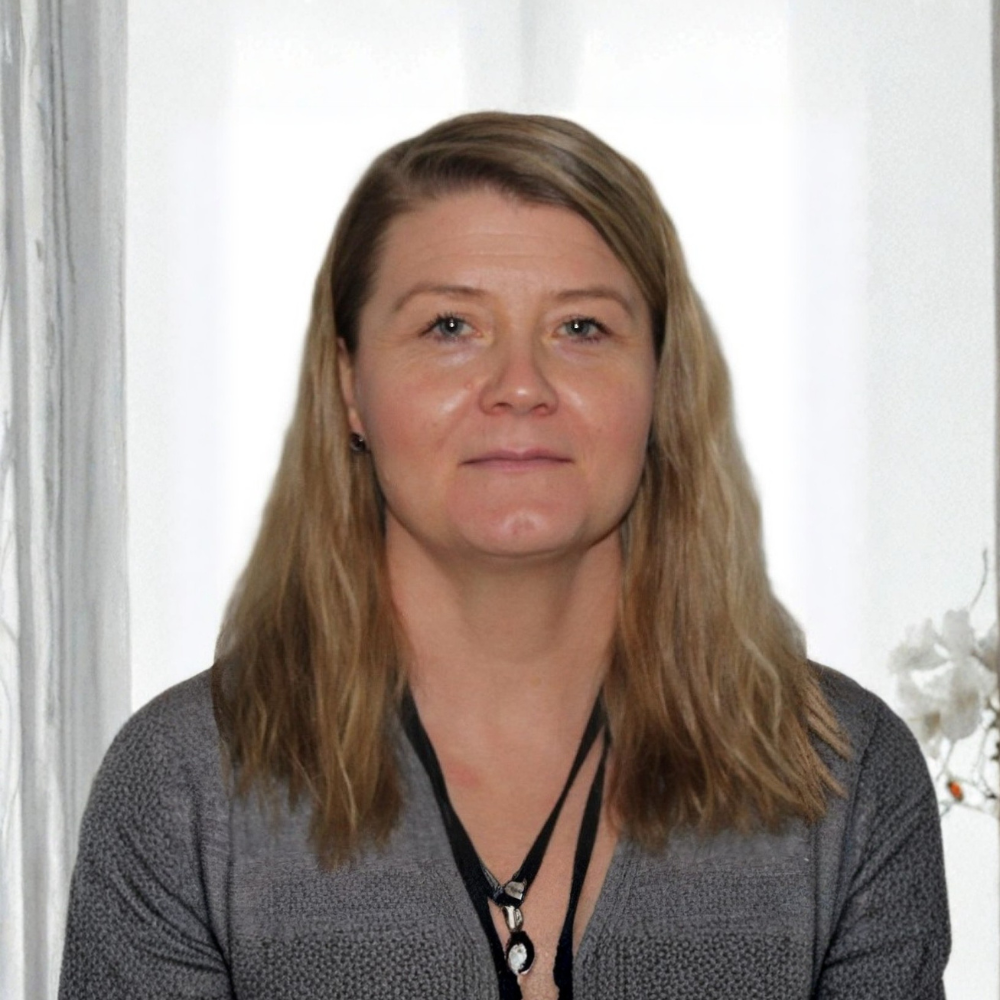
Role in PERSEUS
What excites you most about your work?

All women leading PERSEUS

Consortium

Leadership across the PERSEUS Consortium

Beyond Work Package leadership, women across PERSEUS also hold senior positions within the organisations that make up the consortium.
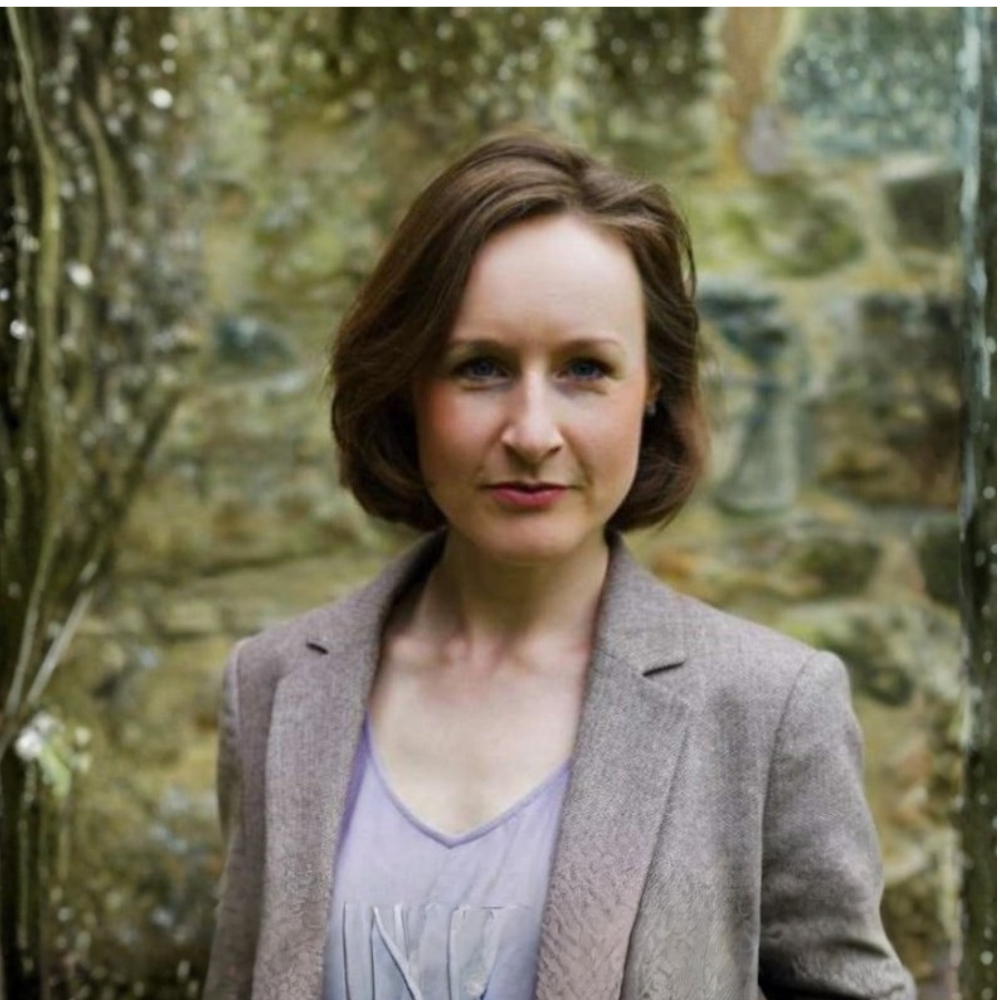
Role in PERSEUS
What excites you most about your work?

Leadership across the PERSEUS consortium

Community

Women across the PERSEUS Community

PERSEUS brings together women working across different disciplines, career stages and project roles.

Coming soon